
Drop Tunings 101: Getting That Heavy Southern Sound
The Horseshoe Tavern is packed on a Tuesday night, and the opening band has just kicked into their first breakdown. The guitarist hits that low, open-string chug, and you feel it in your chest before you hear it. The floor vibrates, the crowd surges forward, and suddenly everyone in the room is moving. That’s the power of a drop tuning. Here at our little corner of the heavy music world, we’ve spent years watching Toronto live music crowds react to that sound, and we want to break down exactly how southern metal and hardcore bands achieve it. Whether you’re a player looking to dial in your rig or a fan curious about why your favourite records sound so crushing, this guide covers the tunings, the gear, and the setups that make it all happen.
Why Drop Tunings Define Southern Metal
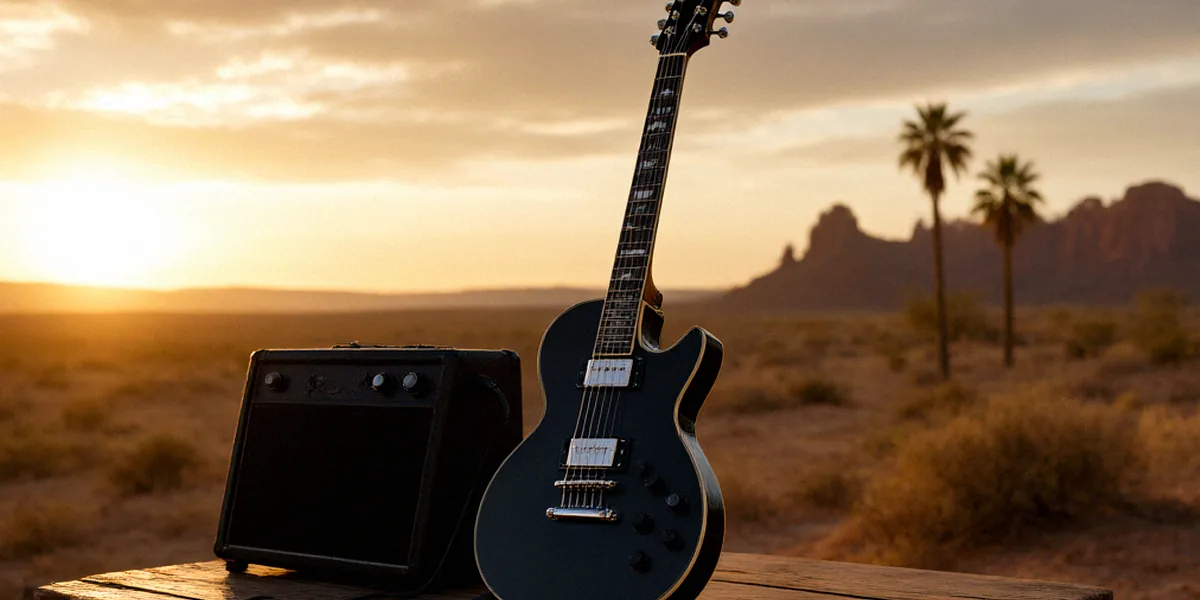
Southern metal lives and dies by its low end. The genre, built on a foundation of sludge, groove, and grit, relies on drop tunings to create riffs that feel like a freight train rolling through a swamp. Bands like Maylene and the Sons of Disaster perfected this approach, blending thick, down-tuned riffs with a Southern rock swagger that sets them apart from standard metal acts. The tuning itself is part of the identity. When you drop that low E string down a whole step, you open up a world of power chords that ring out with a single finger, and those chords become the backbone of the entire genre.
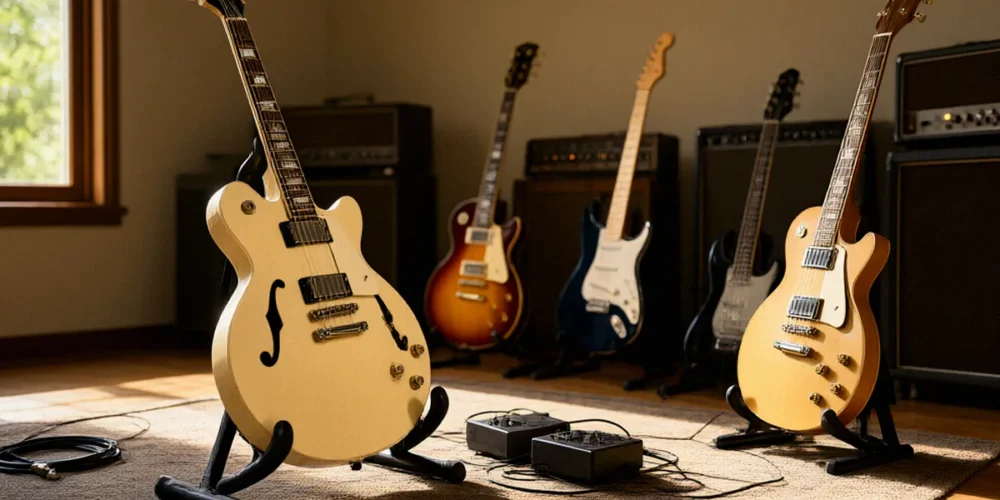
The gear matters just as much as the tuning. Classic setups often feature Gibson guitars running through Orange amps, a combination that delivers warm, saturated distortion without losing clarity. That pairing has become a staple for players chasing the southern sound, and it’s a formula you’ll see repeated on stages across Canada.
The History of Drop Tunings in Heavy Music
Drop tunings aren’t a new invention. Black Sabbath was already experimenting with down-tuning in the early ’70s, and by the ’90s, bands like Kyuss and Sleep pushed things even lower. The sludge and stoner rock movements embraced drop tunings as a way to create a thicker, more oppressive atmosphere. When southern metal emerged as its own subgenre, it inherited that low-end obsession and combined it with the bluesy, groove-heavy riffs of bands like Lynyrd Skynyrd and ZZ Top. The result was something entirely new: heavy, but with a swing that made it impossible to stand still.
How Lower Tunings Change Chord Voicings and Riffs
When you drop your lowest string, you change the way chords are built. In standard tuning, a power chord requires three fingers across three strings. In Drop D, you can play the same chord with just one finger barring the bottom three strings. This opens up new riffing possibilities, especially for fast, palm-muted passages. You can move that shape up and down the neck with ease, creating riffs that would be awkward or impossible in standard tuning. The lower tuning also changes the way notes interact with each other. Intervals that sound dissonant in standard tuning can sound massive and menacing when you drop down a step or more.
Essential Drop Tunings for Heavy Riffs
Not all drop tunings are created equal. The three most common in southern metal and hardcore bands are Drop D, Drop C, and Drop B. Each one serves a different purpose, and choosing the right tuning depends on the sound you’re after and the type of riffs you want to play.
Drop D: The Gateway to Heaviness
Drop D is where most players start. You take your low E string and tune it down a whole step to D, leaving the rest of the strings in standard tuning. The result is a tuning that’s familiar enough to feel comfortable but heavy enough to make a difference. Drop D is perfect for riff-based songs that need clarity and punch. It’s the tuning behind countless classic tracks, and it works well for players who want to experiment with lower sounds without committing to a full setup change. For string gauges, most players stick with something in the .010 to .046 range, though some prefer slightly heavier strings for added tension. Ernie Ball and Dunlop both make reliable sets that handle Drop D without issues.
Drop C and Drop B: For the Brutal Breakdowns
When you need something heavier, Drop C and Drop B are the next steps. Drop C means tuning your entire guitar down a whole step and then dropping the low string another step, resulting in a tuning that’s a full fourth below standard. This is where hardcore bands often live. The riffs get slower, the breakdowns get nastier, and the overall sound becomes more oppressive. Drop B takes things even further, and it’s often used by bands that want maximum heaviness with minimal clarity. At this point, string gauge becomes critical. You’ll need something in the .012 to .056 range or heavier to maintain tension and avoid a floppy, unplayable feel. Dunlop’s Heavy Core series and Ernie Ball’s Not Even Slinky sets are popular choices for these lower tunings.
- Drop D: Low E tuned to D. Great for riff-based southern metal with clarity.
- Drop C: Full step down, low string to C. Ideal for hardcore breakdowns and sludgy riffs.
- Drop B: Even lower, often used for maximum heaviness in extreme metal.
- String gauges: .010–.046 for Drop D, .012–.056+ for Drop C and B.
Guitar Gear for Achieving the Southern Sound
Your tuning is only half the equation. The gear you use determines whether those low riffs sound thick and defined or muddy and lost in the mix. Southern metal players tend to favour specific types of guitars, amps, and pedals that complement drop tunings and bring out the best in their tone.
Choosing the Right Guitar and Pickups
Humbuckers are essential for drop tunings. Single-coil pickups can work in a pinch, but they often lack the output and warmth needed to handle low tunings without getting thin. Gibson Les Pauls and SG models are classic choices, and their humbuckers deliver the fat, mid-heavy tone that southern metal demands. Schecter is another brand that’s become popular among hardcore bands, offering guitars with high-output pickups and comfortable necks for fast riffing. If you’re shopping for a drop-tuned guitar, look for something with a fixed bridge, since floating tremolo systems can be a nightmare to set up when you’re changing tunings frequently.
Amps and Pedals for Drop-Tuned Heaviness
The Peavey 5150 is a staple in heavy music for a reason. Its high-gain channel delivers the kind of saturated, aggressive distortion that makes drop-tuned riffs cut through a mix. Orange amps are another favourite, offering a warmer, more vintage-inspired tone that works beautifully for southern metal. When it comes to pedals, the Boss HM-2 has become legendary in hardcore and metal circles. Its distinctive chainsaw-like distortion can turn even the simplest riff into a wall of sound. Many players also use overdrive pedals like the Tube Screamer to tighten up their low end and add clarity to complex chords.
Setting Up Your Guitar for Drop Tunings
Switching to a drop tuning isn’t as simple as turning a few tuning pegs. Your guitar needs adjustments to compensate for the reduced tension on the strings. If you skip this step, you’ll end up with intonation problems, buzzing frets, and a guitar that’s frustrating to play. We’ve talked to guitar techs across Toronto live music venues, and they all agree: a proper setup is non-negotiable.
String Gauge and Tension Considerations
When you tune down, you lose tension. Thinner strings will feel floppy and may buzz against the frets. The solution is to go up a gauge. If you normally play .009s in standard tuning, try .010s or .011s for Drop D. For Drop C or Drop B, you’ll likely need .012s or heavier. Heavier strings also improve tuning stability and intonation, which is crucial when you’re playing low riffs that need to stay in pitch. Just remember that changing string gauge may require adjustments to your nut slots and truss rod.
Intonation and Action Adjustments
Intonation is how well your guitar stays in tune across the fretboard. When you change tunings, your intonation will shift, and you’ll need to adjust the saddles on your bridge to compensate. This is especially important for drop tunings, where the low string is doing most of the work. Action, or the distance between your strings and the fretboard, may also need adjustment. Lower action can make fast riffing easier, but if it’s too low, you’ll get fret buzz. A good tech can dial in both intonation and action in under an hour, and it’s worth the investment if you’re serious about playing in drop tunings.
Drop Tunings in the Canadian Metal Scene
Canada has a thriving heavy music scene, and drop tunings are everywhere. From intimate club shows in Toronto to larger festivals across the country, hardcore bands and southern metal acts are using low tunings to create some of the heaviest music you’ll hear anywhere. If you’re looking for metal concerts Canada-wide, you won’t have to search long to find a band cranking out drop-tuned riffs.
Canadian Bands Leading the Drop-Tuned Charge
Toronto’s own Cancer Bats have built a career on sludgy, down-tuned riffs that blend hardcore punk with southern metal influences. Their live shows are a masterclass in how drop tunings can transform a room into a chaotic, sweaty mess. Other bands like Comeback Kid and Counterparts have also embraced lower tunings, proving that the sound resonates far beyond the southern United States. Out west, bands like Baptists in Vancouver bring a similar intensity, showing that the drop-tuned sound is a coast-to-coast phenomenon.
Upcoming Metal Concerts Canada to Catch
If you want to hear drop tunings in action, there’s no substitute for a live show. Venues like the Opera House, the Phoenix, and the Horseshoe Tavern in Toronto regularly host metal and hardcore acts from Canada and abroad. Keep an eye on local listings for upcoming metal concerts Canada events, and don’t sleep on smaller shows. Some of the best drop-tuned riffing happens in cramped, loud basements and dive bars where the sound hits you square in the chest.
FAQ
What is the best drop tuning for southern metal?
Drop D and Drop C are the most common tunings for southern metal. Drop D offers clarity and punch, while Drop C delivers a heavier, sludgier tone. Many bands switch between the two depending on the song.
Do I need a baritone guitar for drop tunings?
Not necessarily. A standard-scale guitar can handle Drop D and Drop C with the right string gauge and setup. Baritone guitars are better suited for extremely low tunings like Drop A or lower, where standard-scale guitars struggle to maintain tension and clarity.
How do I stop my guitar from buzzing in drop tuning?
Buzz usually comes from insufficient string tension or improper action. Try using heavier strings, adjusting your truss rod, and raising your action slightly. If the problem persists, take your guitar to a tech for a professional setup.
What amps work best for drop-tuned heavy music?
High-gain amps like the Peavey 5150, Orange Rockerverb, and Mesa/Boogie Dual Rectifier are popular choices. These amps handle low tunings well and provide the saturation and clarity needed for heavy riffs.
Are there Canadian bands that use drop tunings?
Absolutely. Cancer Bats, Comeback Kid, and Baptists are just a few examples of Canadian hardcore bands that use drop tunings to achieve their heavy sound. Catch them live at metal concerts Canada events for the full experience.
Mastering drop tunings is the key to unlocking the heavy southern sound that defines so much of the music we love. From choosing the right tuning and gear to setting up your guitar properly, every step matters. We encourage you to experiment with your rig, try different string gauges, and see what works best for your playing style. And when you’re ready to hear those riffs in their natural habitat, get out to a local show. The Toronto live music scene and venues across Canada are waiting, and there’s nothing like feeling that drop-tuned chug hit you live.