
How Independent Metal Bands Tour Canada on a Shoestring
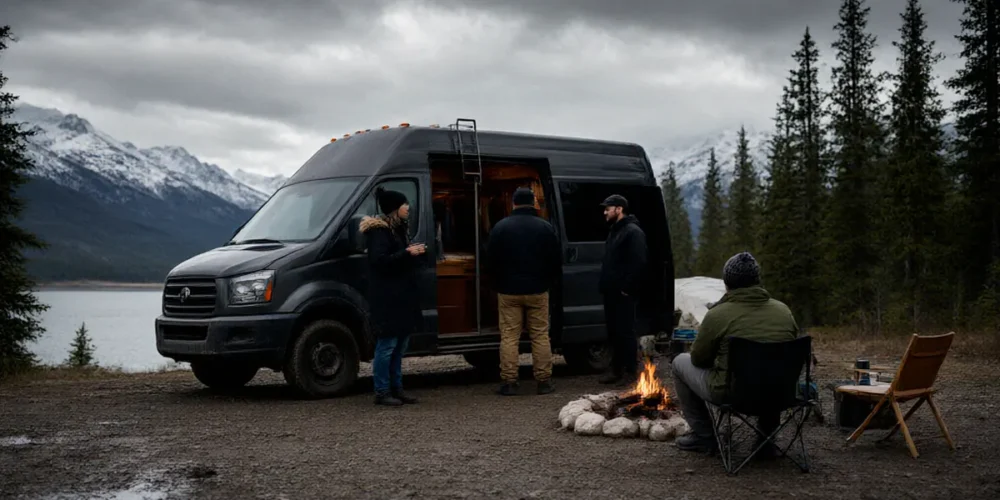
It’s 3 a.m. and the van is somewhere past Portage la Prairie, headlights cutting through black prairie nothing, the heater wheezing, and the next gas stop is still an hour out. Everyone’s asleep except the driver, who’s mainlining Tim Hortons coffee and counting the kilometres to Calgary. This is what DIY touring in Canada actually looks like — not glamorous, not profitable, but absolutely doable if you plan it right. We’ve watched dozens of independent metal and hardcore bands make the loop from Halifax to Vancouver and back, and the ones who survive are the ones who treat routing, gear, and money like a second job. Here’s how they do it.
Why Touring Canada Is a Different Beast
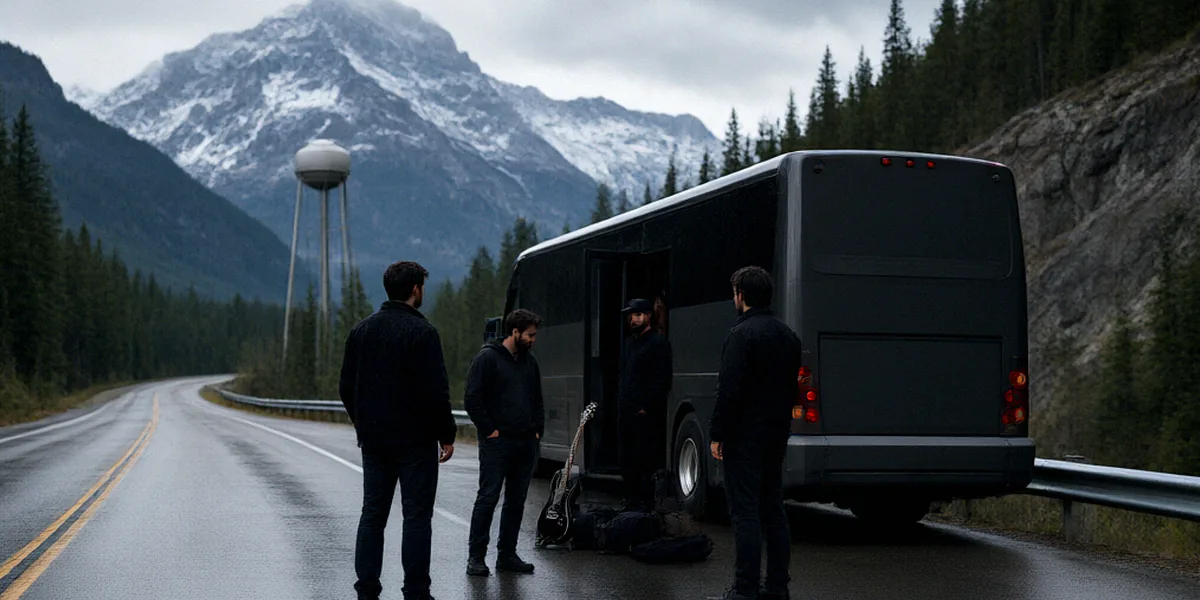
If you’ve only toured the US, nothing prepares you for Canadian routing. The population is clustered in a handful of corridors, the distances between them are enormous, and the cost of everything — gas, lodging, food — eats guarantees alive. A run that would be five comfortable US shows can be three brutal Canadian ones with twice the windshield time.
The Geography Problem: Long Drives, Few Cities
The drive from Winnipeg to Calgary is roughly 13 hours, making it one of the toughest legs on a Canadian tour. There’s no Kansas City or Minneapolis to break it up — just Trans-Canada Highway, truck stops, and a whole lot of nothing. Similar problem stretches hit you between Thunder Bay and Winnipeg, and again between Calgary and Vancouver through the mountains. Cheap motels basically don’t exist along these routes, and the ones that do are either full of long-haul truckers or charging city prices.
- Winnipeg to Calgary: ~13 hours, no major market in between
- Thunder Bay to Winnipeg: ~8 hours of shield country
- Calgary to Vancouver: ~10-11 hours through Rogers Pass
- Montreal to Halifax: ~11 hours with limited stops
Border and Permit Realities for Canadian and International Bands
Canadian bands touring domestically have it easier than American or overseas acts, but there are still rules. If you’re selling merch in a venue, some provinces want you collecting and remitting sales tax. International bands need proper work permits and a Carnet or a solid gear manifest to get across the border without a hassle. We’ve seen bands turned around at Coutts because their paperwork was sloppy. Get your documents sorted weeks before you leave, not at the border.
Routing and Booking on a Budget
The art of Canadian routing is stringing together enough shows to cover your gas without adding a thousand dead kilometres. You want to hit the corridor cities — Toronto, Montreal, Ottawa, Winnipeg, Calgary, Edmonton, Vancouver — and fill the gaps with smaller markets and DIY spaces.
Building a Route That Won’t Bankrupt You
Start with anchor shows in the big markets and work outward. A typical two-week western run might look like Toronto → Sudbury → Thunder Bay → Winnipeg → Regina → Calgary → Edmonton → Kelowna → Vancouver. Eastern runs usually go Toronto → Ottawa → Montreal → Quebec City → Fredericton → Halifax. Book the anchors first, then fill in the in-between stops. Don’t chase every city — sometimes skipping a market means a shorter drive and a better door split the next night.
DIY Venues, Legions, and House Shows Worth Knowing
Canada’s independent scene lives in rooms that hold 80 to 300 people. Toronto’s Bovine Sex Club is a legendary small venue for independent metal and hardcore shows, and Montreal’s Foufounes Electriques has hosted underground metal and hardcore bands for decades. Beyond those, look at Royal Canadian Legion halls, which rent cheap and often welcome all-ages shows, plus basement venues and house shows in college towns.
- Bovine Sex Club — Toronto, ON
- Foufounes Electriques — Montreal, QC
- Legion halls in Sudbury, Regina, and Moncton
- House show networks in Guelph, London, and Victoria
Asking Local Bands for Help (and Returning the Favor)
Facebook groups like “Canadian DIY Touring” and regional punk/metal pages are gold. Post your dates, offer to trade shows, and always — always — return the favour when a band from that city wants to play yours. The scene runs on reciprocity. Bands that burn bridges don’t get rebooked.
Sleeping, Eating, and Staying Sane
Survival on a Canadian tour is about minimizing spend per day so the door money actually goes home with you. That means sleeping free, eating cheap, and not losing your mind in hour nine of a prairie drive.
Free and Cheap Sleep Spots
Crashing with local bands is the gold standard — reach out before you book and ask if anyone has floor space. Walmart parking lots are a reliable fallback in most cities, though some municipalities have cracked down. Truck stops along the Trans-Canada are fine for a few hours of shut-eye. In winter, never sleep in the van with the engine off — Canadian cold will kill you.
Feeding a Band Without Blowing the Budget
Tim Hortons is a ubiquitous and cheap refueling stop for touring bands across Canada — coffee refills, bagels, and a warm place to sit for an hour. But the real money-saver is grocery stores. Buy bread, peanut butter, bananas, and cold cuts at a Superstore or No Frills and make your own meals. A $40 grocery run feeds four people for two days; the same money at fast food feeds one person for one day.
Gear That Survives the Road
Canadian roads destroy gear. Temperature swings, humidity, potholes, and the occasional -30°C load-in will find every weak solder joint in your rig. Choose gear you can repair, not gear that looks cool on Instagram.
Amps, Guitars, and Pedals for Hard Travel
Traynor amps are Canadian-made and often available for backline rental in Toronto and Vancouver, which makes them a smart choice if you don’t want to haul a head across the country. Orange amps are road-tough and easy to service. For pedals, Boss and MXR are the workhorses — parts are everywhere, and any tech in any city can fix them. Bring spare tubes, strings, cables, and a soldering iron.
Borrowing and Renting Backline in Canadian Cities
Most cities have rehearsal studios and backline companies that rent amps and cabs for $30-$80 a night. Long & McQuade locations in Toronto, Montreal, Calgary, and Vancouver rent gear, and local bands are often happy to lend a cab in exchange for a guest-list spot or a merch split. Always confirm the load-in time and whether the backline includes a cab — a head with no cab is useless.
Promoting Shows and Building a Following
You can book the perfect tour and still play to twelve people if nobody knows you’re in town. Promotion is where DIY bands either win or quietly die.
Social Media and Local Press for Metal Shows
Instagram and Facebook event pages are the baseline. Beyond that, hit campus radio stations (CFRU in Guelph, CiTR in Vancouver, CJLO in Montreal), local metal blogs, and the free weeklies in each city. Poster runs still work — hit record stores, coffee shops, and pizza places the day you roll in.
Cross-Pollinating with Hardcore and Southern Metal Bands
Playing with hardcore bands and southern metal acts grows your audience faster than playing with four bands that sound exactly like you. The crowds overlap, the bills are stronger, and you build relationships across subgenres. A southern metal band from Alberta sharing a bill with a hardcore band from Ontario pulls two distinct fanbases into one room.
Money, Merch, and Making It Home
Nobody gets rich touring Canada on a shoestring. The goal is to break even, keep the van running, and come home with enough cash to do it again.
Door Deals, Guarantees, and Gas Money
Most small Canadian venues offer a door split — often 70/30 or 80/20 in the band’s favour after expenses. Guarantees are rare below the 300-cap level. Expect $100-$400 per show on a good night, less on a Tuesday in Regina. Budget for one breakdown and one blown tire before you leave — that’s $1,500 you need in reserve.
Merch That Sells and Packing Light
T-shirts, hoodies, and vinyl move best. Bring a mix of sizes, price at $25-$35 for tees, and always have a QR code for e-transfer or PayPal. Pack merch in a rubbermaid bin, not cardboard — Canadian weather will destroy cardboard. Keep the van organized so load-ins are fast and you’re not digging for a shirt while the headliner is already soundchecking.
FAQ
How much does it cost to tour Canada as an independent metal band?
A two-week Canadian run typically costs $3,000-$5,000 in gas, food, and emergencies. Gas alone can run $1,200-$1,800 depending on the route and vehicle. Budget another $1,500 in reserve for repairs.
Do I need a work permit to tour Canada as an American band?
Yes, in most cases. International bands playing paid shows in Canada need a work permit and proper documentation for gear. Talk to a Canadian immigration consultant or the venue before you book — getting turned around at the border ends the tour before it starts.
What’s the best time of year to tour Canada?
Late spring through early fall. Winter touring is possible but brutal — highway closures, frozen gear, and venues that are half-empty because nobody wants to leave the house. If you must tour in winter, stick to the Toronto-Montreal-Ottawa corridor.
Where can I find DIY venues and show trades in Canada?
Facebook groups like “Canadian DIY Touring,” regional punk and metal pages, and direct outreach to bands in each city. Always offer a trade — a show in your town for a show in theirs.
Is it worth bringing our own amps to Canada?
If you’re driving from within Canada, yes — bring what you trust. If you’re flying in or crossing the border, rent or borrow backline in Toronto and Vancouver. Traynor amps are Canadian-made and widely available for rental, and local bands will often lend cabs for a guest-list spot.
Shoestring touring in Canada isn’t about luxury — it’s about community, grit, and planning like your rent depends on it (because sometimes it does). The bands that make it aren’t the ones with the best gear or the biggest Instagram; they’re the ones who return favours, sleep on floors without complaining, and keep the van pointed at the next city. So load the gear, split the gas, and get in the van. The prairies aren’t going to drive themselves.