
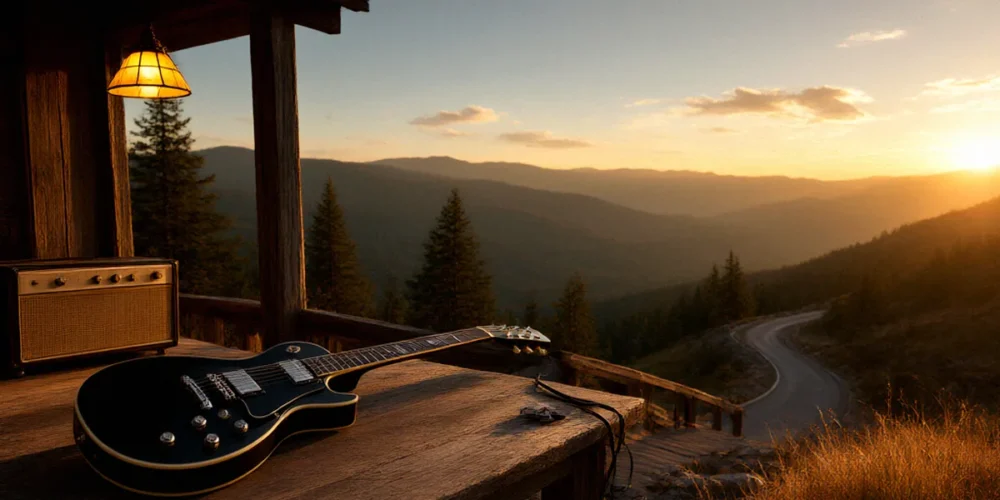
Southern Metal Explained: From Lynyrd Skynyrd to Modern Hardcore
The Hard Luck Bar is packed on a Tuesday night, and the floor is moving like a single organism. Somewhere between the drop-tuned chug and the greasy pentatonic lead break, a pit opens up and a guy in a Cancer Bats hoodie goes flying. That riff? It could have crawled out of a Louisiana swamp or a Georgia dive bar — but it’s landing right here in Toronto, and the crowd knows exactly what to do with it. So how did a sound born in the American South become a staple of Canadian heavy music? We’ve been following this thread for years, and it’s one of our favourite stories in heavy music.
What Is Southern Metal? Defining a Sound Born in the Swamps
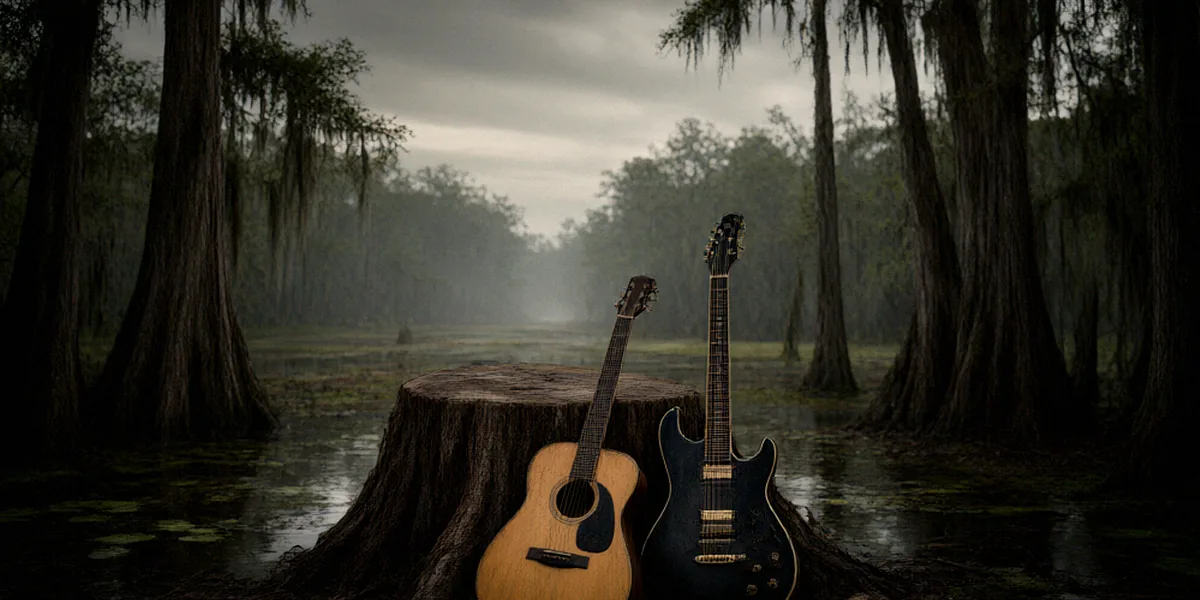
Southern metal is what happens when Southern rock stops being polite about it. The core ingredients are consistent: down-tuned grooves that swing instead of sprint, bluesy pentatonic licks borrowed straight from the Delta, whiskey-soaked vocals that sound like they’ve seen a few things, and an outlaw spirit that treats authority like a suggestion. Early Southern rock bands like Lynyrd Skynyrd, Blackfoot, and Molly Hatchet built the foundation — triple-guitar harmonies, boogie rhythms, and a stubborn refusal to sand off the rough edges. Southern metal took that DNA and turned up the gain until the whole thing started to smoke.
The Southern Rock Roots: Skynyrd, Allman Brothers, and the Blues
You can’t talk about this genre without acknowledging where it came from. Lynyrd Skynyrd’s “Free Bird” and “Tuesday’s Gone” are as much about guitar tone and emotional weight as they are about songwriting. The Allman Brothers Band brought jazz-inflected improvisation and a deep blues vocabulary. Blackfoot and Molly Hatchet kept the twin-guitar attack alive through the late 70s and early 80s. The blues is the connective tissue here — every pentatonic run, every bend, every slide lick traces back to the same source. Without that foundation, southern metal would just be another drop-tuned riff factory.
From Rock to Metal: Adding Distortion and Doom
The mutation happened gradually. Bands started pushing their amps harder, tuning down, and borrowing the slower, heavier pacing of doom. The groove stayed, but the aggression multiplied. By the late 80s and early 90s, the line between Southern rock and metal had basically dissolved — and that’s when things got really interesting.
The 90s Explosion: Corrosion of Conformity, Pantera, and the New South
The 90s is where southern metal found its modern identity. Corrosion of Conformity’s Deliverance (1994) is a landmark record — it took the band’s hardcore punk roots and dragged them through a swamp of Southern groove and Sabbath-weight riffing. Around the same time, Pantera was rewriting the rules of groove metal with Vulgar Display of Power and Far Beyond Driven, and their Texas-bred swagger had a distinctly Southern flavour. Down, Crowbar, and Eyehategod pushed things even further into sludge territory, creating a crossover sound that would directly influence hardcore bands for decades to come.
Corrosion of Conformity and the Crossover Appeal
COC is the band we point to when someone asks how punk kids ended up loving Southern rock. They came from the hardcore scene, but Deliverance and Wiseblood embraced groove, melody, and a kind of dusty, road-worn storytelling that felt miles away from the pit. That crossover — hardcore energy, Southern feel — is the blueprint that modern bands still work from.
Pantera’s Groove and the Southern Metal Blueprint
Pantera didn’t call themselves a Southern metal band, but the DNA is undeniable. Dimebag Darrell’s riffs swung hard, Phil Anselmo’s vocals had that outlaw snarl, and the whole operation carried a blue-collar Texas toughness. Down, Anselmo’s other band, made the Southern connection explicit — slow, heavy, and soaked in whiskey and grief. Crowbar and Eyehategod took the same ingredients and made them uglier and sludgier, which is exactly why hardcore bands started paying attention.
Southern Metal Meets Hardcore: Modern Bands and the Canadian Connection
Modern hardcore bands didn’t just borrow from southern metal — they fused it. Maylene and the Sons of Disaster, He Is Legend, and Every Time I Die all built careers on mixing Southern rock swagger with hardcore punk intensity. The result was a sound that could go from a breakneck verse to a slow, greasy breakdown without missing a beat. And Canada has its own stake in this story.
Maylene and the Sons of Disaster: The Alabama Outlaws
Maylene and the Sons of Disaster are the band we keep coming back to when we talk about this fusion. Formed in Alabama by former Underoath vocalist Dallas Taylor, the band built a mythology around 1920s outlaw lore (the name references Ma Barker’s gang) and matched it with riffs that owed as much to Skynyrd as to hardcore. Their self-titled debut and II are essential listening for anyone who wants to understand how Southern rock and hardcore can share a stage without either one losing its identity.
Canadian Hardcore Bands with a Southern Twist
Cancer Bats are the clearest Canadian example of this Southern-fried hardcore edge. The Toronto band has always had a sludgy, groove-heavy undercurrent beneath the hardcore fury — listen to Hail Destroyer or Bears, Mayors, Scraps & Bones and you’ll hear the Southern influence in the pacing and the riff construction. They’re not a Southern metal band, but they understand the assignment. Other Canadian acts across the country have picked up similar threads, blending punk aggression with rock ‘n’ roll swing in a way that feels distinctly ours.
Toronto Live Music Venues for Southern Metal
If you want to hear this stuff live in Toronto, you’ve got options. These are the rooms we keep coming back to:
- The Bovine Sex Club — a Queen West institution with a scuzzy, unpretentious vibe that fits Southern metal perfectly.
- Sneaky Dee’s — legendary College Street spot, upstairs shows, cheap beer, and a crowd that actually knows the bands.
- Hard Luck Bar — intimate, loud, and consistently booking hardcore and metal bills that lean into the heavier end of things.
All three venues have hosted the kind of shows where Southern groove and hardcore energy collide, and they remain essential stops for anyone tracking this scene.
Guitar Gear of Southern Metal: The Tools of the Trade
You can’t get this tone without the right tools. Southern metal guitar sound is a specific recipe: humbuckers, mid-heavy amps, and a pedalboard that knows when to get dirty. Here’s what we see on stages and in studios when this genre is done right.
Guitars: Les Pauls, SGs, and Teles
Gibson Les Pauls and SGs are the workhorses — thick, warm, and built for down-tuned riffs. Fender Telecasters show up too, especially for players who want a little more bite and twang in their attack. The occasional slide (often on a dedicated guitar) adds that greasy Southern texture that distortion alone can’t replicate.
Amps and Pedals: Peavey, Orange, and the HM-2
The Peavey 5150 is basically the default high-gain amp for this style — it’s been on more Southern metal and hardcore records than we can count. Orange amps bring a thicker, doomier character that works beautifully for the sludgier end of the spectrum. On the pedal side, the Boss HM-2 and the Pro Co RAT are the go-to choices for that dirty, chainsaw-adjacent crunch. Canadian guitarists can find most of this gear at Long & McQuade, which has locations across the country and a solid used section if you’re hunting for a deal.
Why Southern Metal Matters in Canada: Our Take
We think Southern metal resonates here because it’s fundamentally working-class music. It’s about grit, storytelling, and catharsis — themes that translate whether you’re in Alabama or Alberta. Canadian audiences have embraced this subgenre because it delivers something real: riffs that hit hard, lyrics that tell stories, and live shows that feel like a release valve.
Blue-Collar Grit and Canadian Identity
There’s a straight line between the blue-collar ethos of Southern rock and the way Canadians think about work, weather, and community. We don’t need to pretend we’re from the bayou to feel a Skynyrd riff or a Down groove. The outlaw storytelling — the sense that the system isn’t on your side and you’re going to do it your way anyway — lands just as hard in Sudbury as it does in Savannah.
The Live Experience: Metal Concerts Canada
Metal concerts Canada-wide have fully absorbed this subgenre. From Toronto to Vancouver, you’ll find bills where Southern metal, sludge, and hardcore share space. Festivals like Heavy Montreal and Loud as Hell in Alberta have booked acts across this spectrum, giving Canadian fans a chance to see the sound in its natural habitat — loud, sweaty, and communal. If you’ve never been to Loud as Hell, put it on your list; the Alberta crowd brings a level of intensity that matches anything south of the border.
FAQ
What exactly is southern metal?
Southern metal is a subgenre that blends the groove, blues licks, and outlaw attitude of Southern rock with the heaviness and distortion of metal. Think down-tuned riffs, pentatonic leads, and vocals with grit — the sound Lynyrd Skynyrd might have made if they’d grown up on Black Sabbath and hardcore punk.
Which bands define the genre?
Early touchstones include Lynyrd Skynyrd, Blackfoot, and Molly Hatchet. The 90s wave brought Corrosion of Conformity, Pantera, Down, Crowbar, and Eyehategod. Modern bands like Maylene and the Sons of Disaster, He Is Legend, and Every Time I Die carried the fusion into hardcore territory.
Are there Canadian bands playing southern metal or southern-fried hardcore?
Cancer Bats are the most prominent example — their sludgy, groove-heavy hardcore has a clear Southern rock influence. Across the country, smaller Canadian bands continue to blend punk aggression with Southern swing, and you’ll find them on bills in Toronto, Montreal, and beyond.
Where can I see southern metal shows in Toronto?
The Bovine Sex Club, Sneaky Dee’s, and Hard Luck Bar are three of the best rooms for this kind of music in Toronto. All three regularly host hardcore, metal, and sludge bills with a Southern edge.
What gear do I need to get a southern metal tone?
Start with a humbucker-equipped guitar like a Gibson Les Paul or SG, or a Fender Telecaster. For amps, a Peavey 5150 or an Orange will get you in the ballpark. Add a Boss HM-2 or Pro Co RAT for dirt, and consider a slide for those greasy lead lines. In Canada, Long & McQuade is the easiest place to start shopping.
Southern metal is alive and well in Canada — it’s in the riffs, the rooms, and the crowds from Toronto to Vancouver. If you love this sound, the best thing you can do is show up: buy a ticket to a local hardcore or metal show, support the bands grinding it out in small venues, and keep the scene loud. The next great Southern-fried riff might be coming from a Canadian band playing a Tuesday night gig at Sneaky Dee’s — and you’ll want to be there when it hits.