

Discography Guide: Where New Listeners Should Start with Maylene and the Sons of Disaster
We still remember the first time “Caution: Dangerous Curves Ahead” tore out of our speakers. It was a humid summer night, the windows down, and that opening riff hit like a wall of Southern thunder — part hardcore fury, part greasy blues swagger. That was the moment we understood Maylene and the Sons of Disaster weren’t just another metalcore band. They were something entirely their own: a Birmingham, Alabama outfit that fused the aggression of hardcore with the whiskey-soaked grit of southern rock and the slow, crushing weight of sludge metal. If you’re new to the band and wondering where to begin, this guide walks through all four studio albums and tells you exactly where to start.
The Early Years: Maylene and the Sons of Disaster (2005)
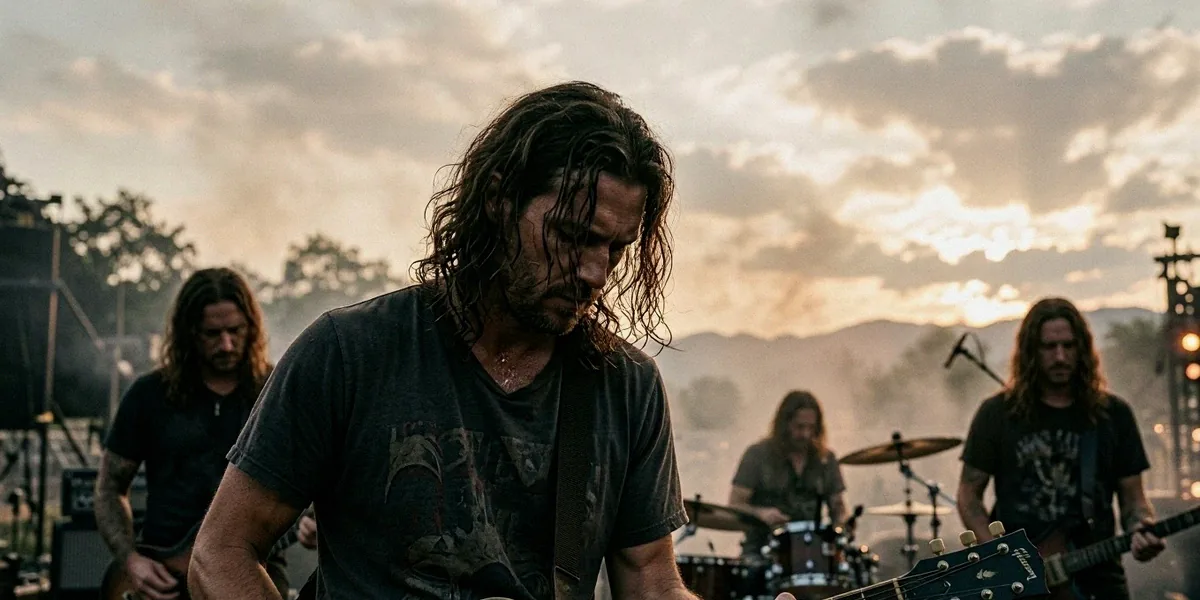
Maylene and the Sons of Disaster formed in Birmingham, Alabama, in 2004, and their self-titled debut arrived in 2005 on Ferret Music. The band was fronted by Dallas Taylor, the former vocalist of Underoath, and that pedigree alone drew attention from the metalcore world. But what came out of the speakers was something different from anything Taylor had done before — a raw, southern-fried metalcore sound built on down-tuned riffs, banjo accents, and a storytelling swagger pulled straight from outlaw country mythology.
The album’s concept loosely retells the legend of Ma Barker and her criminal sons, framing the band as a gang of Southern outlaws. Tracks like “Caution: Dangerous Curves Ahead” and “The Day Hell Broke Loose at Sicard Hollow” set the tone for everything that followed: big, stomping grooves, gang-shout choruses, and Taylor’s unmistakable rasp cutting through the mix.
Key Tracks to Sample First
- “Caution: Dangerous Curves Ahead” — the perfect mission statement for the band’s sound
- “The Day Hell Broke Loose at Sicard Hollow” — a raucous, riff-driven standout
- “Tough as John Jacobs” — slower, swampier, and dripping with attitude
Why This Album Matters for New Listeners
This is the blueprint. Every element the band would refine later — the Southern imagery, the hardcore energy, the bluesy leads — is here in its rawest form. Listening to the debut first gives you a baseline for understanding how much the band evolved. It’s also the most purely “metalcore” of their records, which makes it a natural entry point if you’re coming from that scene.
II (2007): Refining the Southern Metal Sound
Their sophomore release, II, is where Maylene and the Sons of Disaster truly found their footing. The production is cleaner, the songwriting tighter, and the southern metal identity more fully realized. Dallas Taylor’s gritty vocals sit higher in the mix, and the heavier riffs hit with more precision than on the debut.
Standout tracks like “Dry the River” and “Darkest of Kin” showcase the band at their most confident. “Dry the River” in particular has become a fan favourite, built around a chugging verse that opens into one of the most memorable choruses in the band’s catalog. “Darkest of Kin” leans harder into the Southern gothic atmosphere, with lyrics that feel pulled from a Flannery O’Connor story.
Production and Musical Evolution
The jump in production quality between the debut and II is significant. The guitars are thicker, the drums punchier, and the vocal layering more deliberate. The band also started incorporating more dynamic shifts — quiet, tense verses that explode into massive, anthemic choruses. This is the album where “southern metal” stopped being a descriptor and became the band’s actual genre.
Must-Listen Tracks for Beginners
- “Dry the River” — the band’s most accessible and anthemic song
- “Darkest of Kin” — moody, heavy, and lyrically striking
- “Memories of the Grove” — a slow-burning showcase of their Southern rock side
III (2009): A Darker, More Experimental Turn
With III, Maylene and the Sons of Disaster took a hard left turn. The metalcore elements receded, replaced by more sludge, more southern rock, and a heavier, more atmospheric overall vibe. Tracks like “Just a Shock” and “Step Up (I’m on It)” mark a clear shift — slower tempos, thicker riffs, and a sense of dread that runs through the entire record.
This is the album that divided some fans and captivated others. If you came to the band for breakdowns and gang vocals, III might take a few spins to click. But if you appreciate bands like Corrosion of Conformity or Down, this is where Maylene and the Sons of Disaster start to feel like kindred spirits.
Thematic and Lyrical Changes
The outlaw narrative from the debut is largely gone here. Instead, the lyrics lean into darker, more personal territory — themes of loss, betrayal, and spiritual struggle. The Southern gothic aesthetic remains, but it’s filtered through a murkier, more introspective lens. Taylor’s vocals are more varied too, ranging from a whisper to a full-throated roar.
How III Stands Out in Their Catalog
III is the band’s most experimental and, for many longtime fans, their most rewarding deep listen. It’s the record where they stopped trying to fit into the metalcore mold and fully embraced the sludge and Southern rock influences that had always been simmering underneath. It’s not the easiest starting point, but it’s essential for understanding the band’s range.
IV (2011): The Final Studio Album
Their last album, IV, arrived in 2011 and delivered a more anthemic, polished southern metal sound. Tracks like “In Dead We Dream” and “Open Your Eyes” show a band that had fully mastered their craft — big choruses, crisp production, and a sense of finality that runs through the whole record. Shortly after its release, the band went on hiatus, making IV their swan song.
The album leans back toward the accessibility of II while retaining some of the atmospheric depth of III. It’s a confident, well-rounded record that serves as a fitting capstone to their studio career.
Reception and Legacy of IV
Reception was generally positive, with critics praising the band’s continued evolution and the strength of the songwriting. In the years since, IV has grown in reputation among fans who appreciate its balance of heaviness and melody. It’s not the album that defined them, but it’s the one that showed how far they had come.
Best Entry Points from This Album
- “In Dead We Dream” — a soaring, anthemic highlight
- “Open Your Eyes” — one of their most melodic and immediate tracks
- “Faith Healer” — a gritty, riff-forward closer that sums up their journey
Where Should New Listeners Start? Our Recommendations
If you’re new to Maylene and the Sons of Disaster, we suggest starting with II for the most balanced introduction to their sound. From there, move to III for depth and atmosphere, then circle back to the debut for raw, unfiltered energy. IV works best as a final stop — it lands harder once you understand the journey that led to it.
If You Love Metalcore: Start Here
Begin with the 2005 debut and II. These two records are the most directly connected to the metalcore world Dallas Taylor came from, and they deliver the breakdowns, gang vocals, and hardcore energy you’re looking for.
If You Prefer Southern Rock: Start Here
Go straight to III and IV. These albums lean hardest into the southern rock and sludge influences, with slower grooves, bluesy leads, and a swampy atmosphere that owes as much to Lynyrd Skynyrd as it does to Black Sabbath.
Deep Cuts for the Curious
- “Tough as John Jacobs” (debut) — a slow, menacing groove that rewards patience
- “Memories of the Grove” (II) — a moody, underrated track with a killer bridge
- “Just a Shock” (III) — the perfect gateway into the band’s darker side
- “Faith Healer” (IV) — a late-career gem that deserves more attention
FAQ
Who was the lead singer of Maylene and the Sons of Disaster?
Dallas Taylor, the former vocalist of Underoath, fronted the band for their entire studio career. His gritty, distinctive voice is one of the defining elements of their sound.
What genre is Maylene and the Sons of Disaster?
Their music blends southern rock, metalcore, and sludge metal. The mix shifts from album to album, but those three ingredients are always present.
How many studio albums did Maylene and the Sons of Disaster release?
They released four studio albums: Maylene and the Sons of Disaster (2005), II (2007), III (2009), and IV (2011).
Where did Maylene and the Sons of Disaster form?
The band formed in Birmingham, Alabama, in 2004, and their Southern roots heavily influenced their sound and imagery.
Which album should a new listener start with?
We recommend starting with II (2007). It offers the best balance of their metalcore roots and their southern metal evolution, making it the ideal entry point before exploring the rest of their catalog.
Maylene and the Sons of Disaster’s discography is a rich journey through southern metal and metalcore, with each album offering its own distinct character. Whether you’re drawn to the raw fury of the debut, the polished anthems of II, the dark experimentation of III, or the confident final statement of IV, there’s a record here that will hit you like that first listen to “Caution: Dangerous Curves Ahead” did for us.