Metalcore Bands of the 2000s Worth Revisiting
The 2000s metalcore scene was loud, messy, and completely unbothered by genre boundaries. It gave us breakdowns in church basements, screamed vocals over southern-fried riffs, and a generation of kids who learned about new bands through a MySpace profile rather than a radio station. Not everything from that era aged gracefully — some of it sounds like a drum sample pack exploded — but the records that mattered still hit with genuine force. As a team that runs an unofficial southern metal and heavy rock fan blog, we keep circling back to this decade because so much of what we love today traces directly back to it. Maylene and the Sons of Disaster, Underoath, Norma Jean, The Chariot — these bands built the bridge between hardcore, southern rock, and the heavy music we still spin weekly. Here’s our honest, occasionally critical look back at the metalcore bands of the 2000s worth revisiting.
Why 2000s Metalcore Still Hits Hard
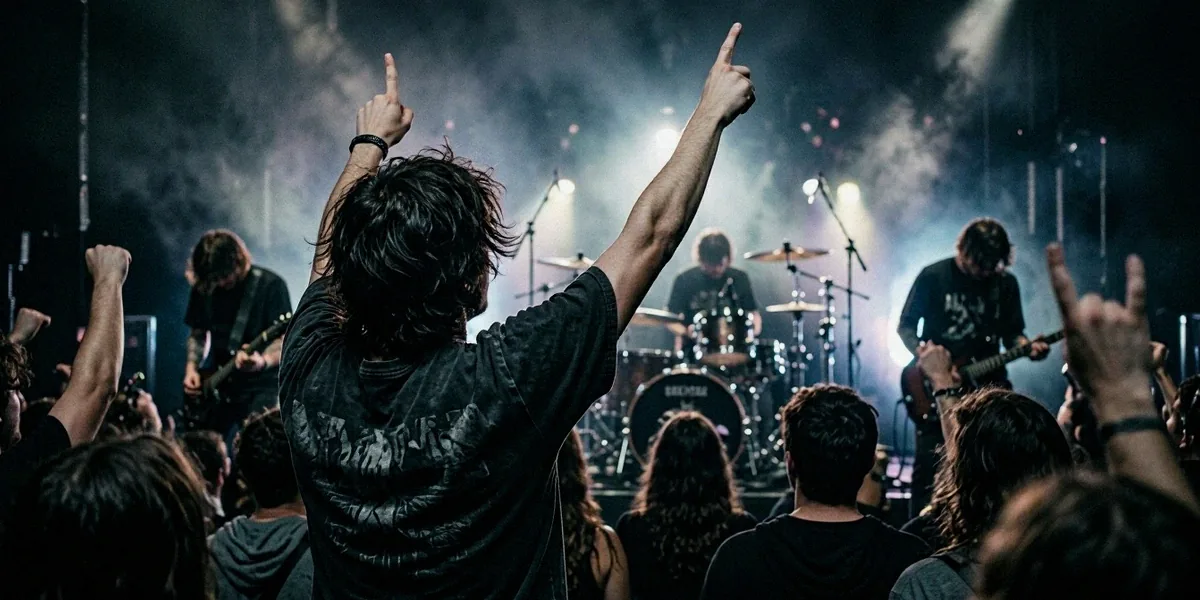
The cultural conditions of the 2000s were almost perfectly designed to produce a metalcore boom. File-sharing, cable music television, and the rise of social platforms made it possible for a band from a small American town to find an audience in Ontario or Alberta without a major label push. Genres collided freely: hardcore kids discovered slide guitar, metal bands borrowed punk tempo, and southern rock’s swampy groove got filtered through distortion pedals. The result was a sound that felt dangerous and new, even when it was technically a mashup of things that already existed.
The MySpace Effect on Band Discovery
MySpace was the engine room of the 2000s metalcore scene. Bands uploaded three songs, picked a chaotic profile layout, and let their top-eight friends do the marketing. For fans in Canada, this was revolutionary — you could discover a Birmingham, Alabama band and a St. Catharines, Ontario band on the same afternoon, then argue about both in the comments. Victory Records, Solid State Records, and Equal Vision became the labels that defined taste, and a well-placed MySpace bulletin could fill a small venue within a week.
From Basements to Warped Tour
The pipeline from basement show to Warped Tour was real, and it compressed fast. A band could play a 50-cap room in the winter and be on a national package by summer. That acceleration shaped the music itself: songs got tighter, choruses got bigger, and live sets were built to survive a crowd that had already heard your record a hundred times on a burned CD. It also meant bands learned to tour relentlessly, which is exactly how southern acts like Maylene built fanbases far outside their home region.
Maylene and the Sons of Disaster: Southern Metal’s Oddball Champions
If any band from this era deserves the “oddball champion” label, it’s Maylene and the Sons of Disaster. The group formed in Birmingham, Alabama, and built a sound that fused southern rock swagger with sludge-heavy riffing and metalcore aggression. Their 2005 debut established the template — greasy, downtuned, and steeped in outlaw imagery — and 2007’s ‘II’ sharpened it into something genuinely distinctive. Maylene and the Sons of Disaster found a strong fanbase in Canada through tours with Cancer Bats, which introduced them to audiences who might never have sought out Alabama southern metal on their own.
Dallas Taylor’s Post-Underoath Pivot
Dallas Taylor’s departure from Underoath and his subsequent pivot into Maylene is one of the more interesting career moves of the decade. Instead of chasing the screamo-metalcore sound he’d helped popularize, he leaned into southern rock, blues phrasing, and a raspier vocal attack. It was a risk that split fans at the time, but it also proved that metalcore wasn’t a cage — it was a launchpad. For anyone tracking the lineage of southern metal today, Taylor’s second act is essential listening.
Why ‘II’ Remains a Cult Classic
‘II’ holds up better than most 2007 heavy records because it commits fully to its own identity. The riffs are patient, the grooves are swampy, and the production leaves enough grit in the mix to feel human. It’s the kind of album that rewards repeat listens — you notice new details in the guitar layering each time. Among southern metal fans, it’s a cult classic for good reason, and it’s the record we recommend first when someone asks where to start with Maylene.
Underoath and the Christian Metalcore Wave
Underoath were arguably the biggest crossover act of the Christian metalcore wave, and their run in the mid-2000s was remarkable. ‘They’re Only Chasing Safety’ turned them into a household name in heavy music circles, while 2006’s ‘Define the Great Line’ debuted at No. 2 on the Billboard 200 and was certified gold in Canada. That Canadian certification matters — it reflects how deeply the band connected with fans north of the border through MuchMusic coverage and a steady stream of local and regional shows.
The Screamo-Metalcore Crossover
Underoath sat right at the intersection of screamo’s emotional urgency and metalcore’s rhythmic weight. Spencer Chamberlain’s screams paired with clean, almost post-rock passages created dynamics that a lot of imitators never figured out. The crossover worked because it wasn’t cynical — the band played both sides of the spectrum with equal conviction, and audiences responded to that sincerity.
Live Energy That Still Translates
Watching Underoath in a mid-sized Canadian club in the 2000s was a physical experience. The tempos pushed, the transitions landed, and the crowd knew every word. Even now, when we revisit live footage from that era, the energy translates — which is more than we can say for plenty of their peers. It’s a reminder that metalcore was, at its core, a live genre before it was a recorded one.
Norma Jean, The Chariot, and the Chaotic Branch
If Underoath represented metalcore’s accessible wing, Norma Jean and The Chariot represented its chaotic branch. Norma Jean’s ‘Bless the Martyr and Kiss the Child’ was released on Solid State Records in 2002 and became a touchstone for Christian metalcore, blending mathy dissonance with raw, unhinged vocals. The Chariot, meanwhile, built a reputation almost entirely on live performance — their 2004 album ‘Everything Is Alive, Everything Is Breathing, Nothing Is Dead, and Nothing Is Bleeding’ was recorded in one take, a fact that still feels absurd and admirable.
Norma Jean’s Lineup Changes and Resilience
Norma Jean cycled through members constantly, and somehow kept releasing records that mattered. That resilience is part of their legacy. The band’s willingness to rebuild rather than coast kept their catalog unpredictable, and it set an example for younger heavy bands who assumed a lineup change meant the end.
The Chariot’s Unpredictable Performances
The Chariot’s shows were legendary for a reason: you never knew where the singer would end up, what would get knocked over, or whether the set would end on stage or in the middle of the floor. That unpredictability drew hardcore fans in Toronto and Montreal especially, where the scene already valued intensity over polish. Their influence on Canadian hardcore is hard to overstate.
Canadian Ties: How the Great White North Embraced Metalcore
Canada wasn’t a passive market for 2000s metalcore — it was an active participant. Alexisonfire, from St. Catharines, Ontario, often shared stages with metalcore bands in the 2000s and helped bridge the genre in Canada, pulling post-hardcore and screamo audiences into the same rooms. Cancer Bats brought a southern sludge influence that fit naturally alongside Maylene and other southern metal acts, and the two bands toured together, which is exactly how Maylene and the Sons of Disaster found a strong fanbase in Canada.
Alexisonfire’s Post-Hardcore Connection
Alexisonfire’s dual-vocal attack and melodic instincts made them a natural touring partner for metalcore bands. They never fully belonged to the genre, and that’s precisely why they helped expand it. Canadian fans who came for Alexisonfire often left with a Norma Jean or Underoath record in hand.
Cancer Bats and Southern Sludge Influence
Cancer Bats brought a sludgier, more southern-tinged approach to Canadian heavy music, which made them ideal tour mates for Maylene. That pairing exposed Canadian audiences to the southern metal sound in a way that felt organic rather than imported. Festivals like NXNE also played a role, giving heavy bands a platform alongside indie and punk acts and normalizing genre mixing.
Revisiting the Era: What Holds Up and What Doesn’t
Our honest take: the best records from this era hold up remarkably well, and the worst ones sound like a time capsule of bad production decisions. Poison the Well’s ‘The Opposite of December’ still lands — the riffs are sharp, the dynamics are intentional, and the emotional weight hasn’t faded. Meanwhile, some records that felt massive in 2005 now sound thin and over-triggered. Here’s a quick breakdown of what we think aged well versus what didn’t:
- Aged well: Poison the Well’s ‘The Opposite of December’, Maylene’s ‘II’, Norma Jean’s ‘Bless the Martyr and Kiss the Child’
- Aged well: Underoath’s ‘Define the Great Line’ — the production still sounds enormous without feeling artificial
- Dated: Albums built entirely around triggered drums and brickwalled mastering, which flatten dynamics
- Dated: Records where the clean vocals were pitched so high they now sound disconnected from the rest of the mix
Production: Triggered Drums vs. Raw Mixes
Triggered drums were everywhere in the 2000s, and they’re the fastest way to date a record. When every hit sounds identical, the human element disappears. Raw mixes — like The Chariot’s one-take approach — have aged far better because they preserve the imperfection that made the performances exciting in the first place.
Lyrical Themes That Still Resonate
A lot of 2000s metalcore lyrics dealt with faith, doubt, loss, and personal collapse. Those themes don’t expire. What dates faster is the specific imagery — the vaguely apocalyptic metaphors and the overused “this is the end” framing. The records that still connect are the ones that got specific and personal rather than theatrical.
FAQ
What makes Maylene and the Sons of Disaster different from other metalcore bands?
Maylene and the Sons of Disaster blended southern rock, sludge, and metalcore in a way few bands attempted. Their Birmingham, Alabama roots gave them a distinct groove and outlaw aesthetic, and their Canadian fanbase grew largely through tours with Cancer Bats.
Did Underoath really have a gold record in Canada?
Yes. ‘Define the Great Line’ debuted at No. 2 on the Billboard 200 in 2006 and was certified gold in Canada, reflecting the band’s strong following north of the border through MuchMusic exposure and consistent touring.
Why was The Chariot’s 2004 album recorded in one take?
The band wanted to capture the raw energy of their live shows rather than a polished studio product. Recording ‘Everything Is Alive, Everything Is Breathing, Nothing Is Dead, and Nothing Is Bleeding’ in one take gave it a chaotic, honest feel that still stands out today.
Which Canadian bands connected with 2000s metalcore?
Alexisonfire from St. Catharines, Ontario often shared stages with metalcore bands and helped bridge the genre in Canada. Cancer Bats brought a southern sludge influence and toured with Maylene and the Sons of Disaster, helping build their Canadian audience.
What 2000s metalcore album aged the best?
In our view, Poison the Well’s ‘The Opposite of December’ and Maylene’s ‘II’ have aged especially well. Both avoided the over-triggered, brickwalled production that dates so many records from the era.
These bands laid the groundwork for today’s southern metal and heavy music, and revisiting their records isn’t just nostalgia — it’s tracing the DNA of everything that came after. Dig out the CDs, queue up the playlists, and give these albums another spin. They earned it.