
The Ma Barker Legend Behind the Band Name
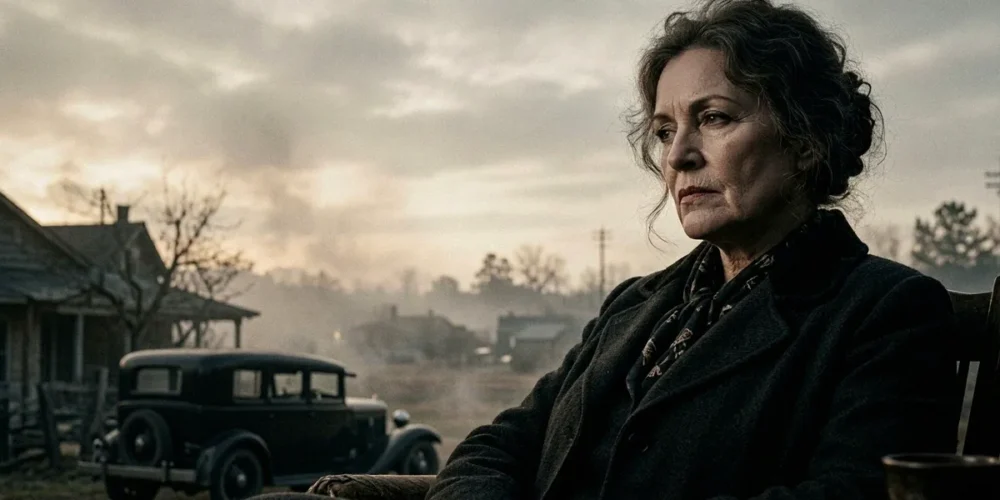
In January 1935, on a quiet lakefront property near Ocklawaha, Florida, FBI agents surrounded a cottage and opened fire on one of the most wanted women in American history. When the smoke cleared, Kate “Ma” Barker lay dead alongside her son Fred, gunned down after a four-hour standoff that made national headlines. J. Edgar Hoover’s Bureau had spent years painting her as the cold-blooded mastermind behind the Barker-Karpis gang’s kidnapping and robbery spree. Whether that portrait was accurate or not, it stuck — and decades later, a metalcore band from Birmingham, Alabama, would borrow her name and build an entire aesthetic around it. That band is Maylene and the Sons of Disaster, and we think the story behind their name is as compelling as anything in their catalogue.
Who Was Ma Barker? The True Story
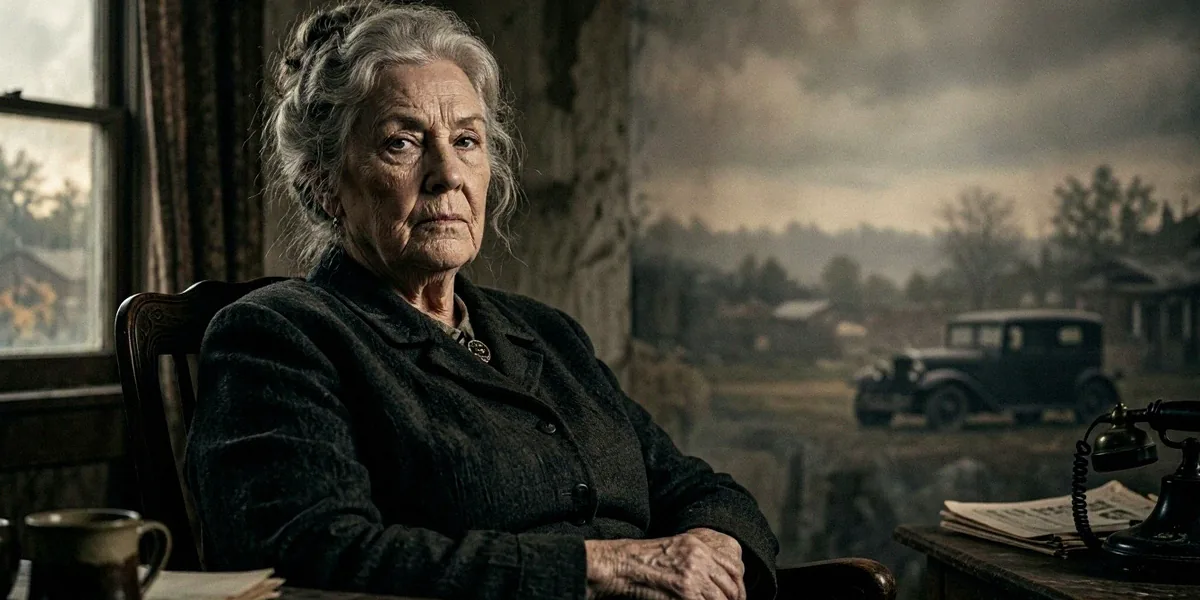
Kate Barker was born in Ash Grove, Missouri, in 1873, and by the early 1930s she had become the matriarch of the Barker-Karpis gang, a criminal outfit that included her sons Herman, Lloyd, Arthur, and Fred. The gang ran with Alvin Karpis, one of the FBI’s earliest “Public Enemy” figures, and their crimes ranged from bank robbery to the kidnapping of wealthy businessmen like William Hamm Jr. and Edward Bremer. The Bureau’s official narrative framed Kate as the brains of the operation, a ruthless mother who directed her boys from behind the scenes.
The Barker-Karpis Gang and Their Crime Spree
The gang’s run through the Midwest in the early 1930s was brutal and efficient. They robbed banks, hijacked payroll shipments, and pulled off two high-profile kidnappings that netted hundreds of thousands of dollars in ransom. Herman Barker died in a shootout in 1932, and the remaining members scattered across the country, eventually landing at a rented cottage on Lake Weir in Florida. Their crime spree made them household names in Depression-era America, right alongside John Dillinger and Baby Face Nelson.
The FBI’s Public Enemy Narrative
J. Edgar Hoover needed a villain, and a grandmotherly figure running a crime syndicate made for perfect press. The Bureau’s files and public statements promoted the idea that Kate Barker was the criminal genius behind her sons — a claim many historians now dispute, arguing she was more of a caretaker than a strategist. Regardless, the FBI’s version became the version most Canadians and Americans absorbed through newsreels, pulp magazines, and later Hollywood films.
The Fatal Shootout at Lake Weir
On January 16, 1935, FBI agents and local police surrounded the Lake Weir cottage. What followed was a prolonged firefight that ended with Kate and Fred Barker dead. No agents were killed, but the shootout cemented the legend. The Bureau’s account claimed Kate fired a rifle during the standoff, a detail that has been challenged for decades. Either way, the image of Ma Barker going down in a hail of bullets became part of American outlaw folklore.
From True Crime to Band Name: Maylene’s Inspiration
Fast forward to 2004 in Birmingham, Alabama. Dallas Taylor, formerly the vocalist of Underoath, formed Maylene and the Sons of Disaster with a clear vision: southern metal with a southern gothic narrative spine. He named the band after Ma Barker’s fictionalized daughter — Maylene — and framed the group as her sons, avenging their mother’s death. It’s a concept that turns a true-crime footnote into a sprawling, whiskey-soaked mythology.
Dallas Taylor’s Vision and Southern Gothic Storytelling
Taylor grew up surrounded by the South’s complicated relationship with its own history, and the Ma Barker story fit perfectly into that tradition. Southern gothic storytelling loves outlaws, doomed families, and violence wrapped in religion and regret. By adopting the Barker name, Taylor gave the band an instant narrative identity that separated them from the wave of generic metalcore acts emerging at the time.
The Band’s Debut Album and Its Narrative
Maylene and the Sons of Disaster’s 2005 debut album, Maylene and the Sons of Disaster, laid out the concept in full. Tracks like “Caution: Dangerous Curves Ahead” and “The Day Hell Broke Loose at Sicard Hollow” mix chugging riffs with slide guitar and Taylor’s raw, southern-fried delivery. The album positions the band as a gang of brothers on the run, with Ma Barker’s legend as the backdrop.
Connecting the Legend to Southern Metal Aesthetics
Southern metal has always had one foot in outlaw mythology. From Lynyrd Skynyrd’s “The Ballad of Curtis Loew” to Pantera’s Texas swagger, the genre thrives on stories of hard living and harder consequences. Maylene’s use of the Barker legend isn’t just a gimmick — it’s a natural extension of that tradition, filtered through a metalcore lens.
The Ma Barker Legend in Southern Metal and Metalcore
Maylene didn’t invent the outlaw-tale approach, but they pushed it further than most of their peers. The band’s blend of metalcore breakdowns, southern rock grooves, and narrative lyrics carved out a niche that few acts have replicated. It’s the kind of sound that makes you want to drive a beat-up truck down a dirt road with the windows down.
Southern Metal’s Love for Outlaw Tales
Outlaw stories are baked into southern metal’s DNA. Whether it’s the legend of Ma Barker, the Ballad of Jesse James, or fictional bootleggers, the genre keeps returning to figures who live outside the law. Maylene’s catalogue is essentially a concept album series built on that fascination.
Maylene’s Sound: Metalcore Meets Southern Rock
Listen to “Memories of the Grove” or “Step Up (I’m On It)” and you’ll hear the collision of two worlds: the palm-muted precision of metalcore and the greasy, bluesy swagger of southern rock. Bands like Every Time I Die and He Is Legend explored similar territory, but Maylene’s sound leaned harder into the southern side of the equation.
Lyrical Themes and Storytelling in Heavy Music
Heavy music has a long history of narrative lyrics, from Iron Maiden’s historical epics to mastodon’s concept records. Maylene’s decision to anchor their identity in a real true-crime story gave their songs a grounded, almost cinematic quality. It’s the kind of approach that rewards fans who dig into the backstory.
Why Canadian Fans Connect with the Legend
Canadian audiences have a well-documented appetite for true crime, and the Ma Barker story fits neatly into that obsession. Pair that with Canada’s thriving heavy music scene, and it’s no surprise that Maylene’s southern gothic concept has found a devoted following north of the border.
Canada’s True Crime Obsession
Podcasts like Dark Poutine have built massive Canadian audiences by digging into the country’s own dark history, and the appetite for American true-crime stories is just as strong. Ma Barker’s tale — the shootout, the FBI’s spin, the family betrayal — has all the elements Canadian listeners gravitate toward.
Heavy Music Scenes in Toronto and Montreal
Toronto’s heavy music scene is one of the most active in North America, with venues like the Opera House and the Danforth Music Hall regularly hosting metal and hardcore acts. Montreal, meanwhile, is home to the annual Heavy Montreal festival, which has brought some of the biggest names in heavy music to Parc Jean-Drapeau. Canadian bands like Cancer Bats have also carried the torch for southern-influenced heavy music, blending hardcore intensity with a distinctly Canadian grit.
Maylene’s Canadian Tour Dates and Fan Base
Maylene and the Sons of Disaster have made their way through Canadian cities on multiple tours, and their fan base here has remained loyal through lineup changes and hiatuses. The band’s southern gothic aesthetic translates well to Canadian audiences who appreciate both the music and the story behind it.
The Legacy of Ma Barker and Maylene Today
Nearly a century after the Lake Weir shootout, Ma Barker remains a fixture in pop culture. Documentaries, podcasts, and films continue to revisit her story, often with more nuance than the FBI’s original narrative allowed. Meanwhile, Maylene and the Sons of Disaster’s discography — including II (2007) and III (2009) — continues to be celebrated by fans of southern metal and metalcore.
Ma Barker in Film, TV, and Podcasts
Ma Barker has appeared in films like Bloody Mama and in countless true-crime documentaries and podcasts. Each retelling adds another layer to the legend, keeping the story alive for new generations of listeners and viewers.
Maylene’s Discography and Fan Community
From the 2005 debut through II and III, Maylene built a catalogue that rewards repeat listening. The band’s fan community remains active online, trading stories about live shows and dissecting the narrative threads that run through each record.
The Enduring Appeal of Southern Metal
Southern metal endures because it taps into something primal: the tension between sin and redemption, violence and grace. Maylene and the Sons of Disaster captured that tension better than most, and the Ma Barker legend gave them the perfect vessel for it.
- Ma Barker’s story remains one of the most retold true-crime tales in American history.
- Maylene and the Sons of Disaster’s 2005 debut album turned that story into a southern metal concept record.
- Canadian fans connect through true-crime culture and a thriving heavy music scene in Toronto and Montreal.
- Heavy Montreal festival and bands like Cancer Bats keep the southern-influenced heavy sound alive in Canada.
The Ma Barker legend gave Maylene and the Sons of Disaster more than just a memorable name — it gave them a narrative framework that continues to captivate heavy music fans, especially here in Canada. Whether you’re a longtime listener or just discovering the band, the story behind the name is worth digging into.
FAQ
Who was Ma Barker?
Ma Barker, born Kate Barker, was the matriarch of the Barker-Karpis gang during the 1930s. The FBI portrayed her as a criminal mastermind, and she died in a shootout with agents at Lake Weir, Florida, in 1935.
Why did Maylene and the Sons of Disaster name themselves after Ma Barker?
Dallas Taylor, the band’s founder and former Underoath vocalist, drew on the Ma Barker legend to create a southern gothic narrative for the band. Their 2005 debut album built a concept around the story.
What kind of music does Maylene and the Sons of Disaster play?
The band blends metalcore with southern rock, creating a sound that’s heavy, bluesy, and rooted in outlaw storytelling. Their catalogue includes II (2007) and III (2009).
Do Canadian fans listen to Maylene and the Sons of Disaster?
Yes. Canada’s true-crime obsession, combined with heavy music scenes in Toronto and Montreal and festivals like Heavy Montreal, has helped the band build a loyal following north of the border.
Where can I learn more about Ma Barker’s story?
Documentaries, true-crime podcasts like Canada’s Dark Poutine, and books on Depression-era outlaws cover the Ma Barker legend in detail. Pair that research with Maylene’s discography for the full experience.